East Bronx Locksmith Service Team
Local locksmith team
Apr 23, 2026 14 min read

Running a storefront in the Bronx means juggling a lot — foot traffic, deliveries, late hours, and the kind of security demands that come with a borough that never really sleeps. But one area many business owners overlook until something goes wrong is exit device compliance. Panic bars, gate locks, and the right door knob with lock and key setup are not just about keeping burglars out — they are also about keeping your employees and customers safe in an emergency, and keeping city inspectors off your back. Whether you are on Fordham Road, Boston Post Road, or tucked into a side street near Pelham Bay, the rules apply to your storefront, and the consequences of ignoring them range from fines to liability.
This guide breaks down what Bronx business owners actually need to know: which exit devices the code requires, how mortise lock hardware fits into your compliance picture, what gate lock setups are acceptable, and when to call a commercial locksmith before a violation becomes a crisis. East Bronx Locksmith operates across The Bronx 24/7 as a mobile team — we show up with the hardware and the know-how to get your storefront squared away on the spot.
## Why Bronx Storefronts Face Stricter Exit Device Rules Than Most Assume
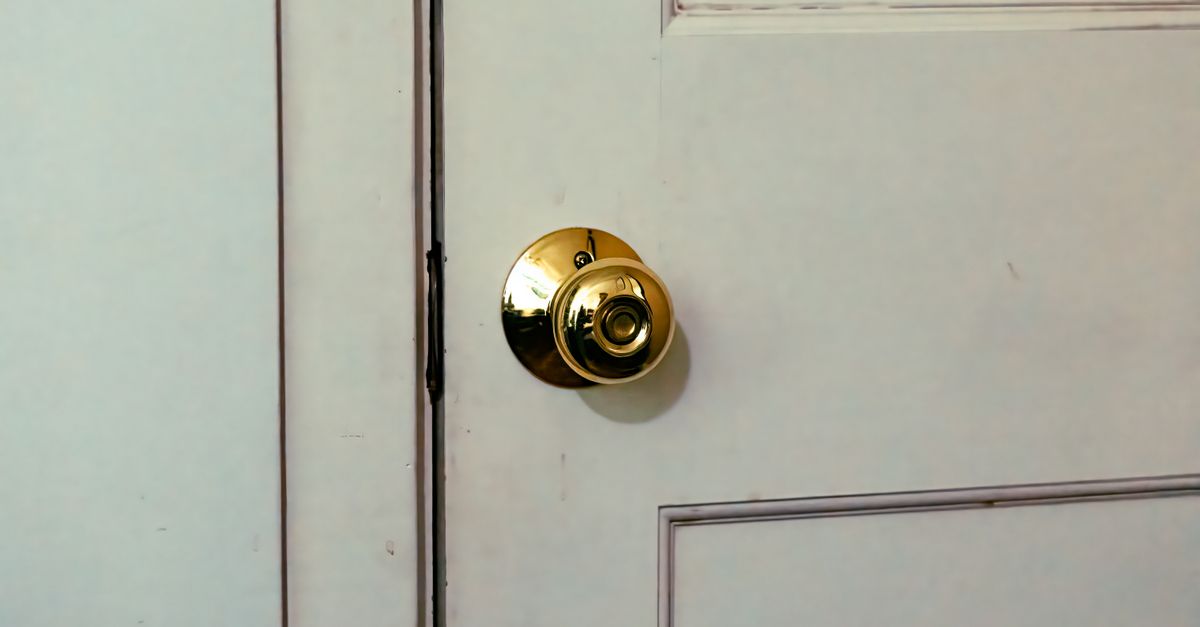
New York City follows the NYC Building Code and the Fire Code enforced by the FDNY, both of which layer on top of state and International Building Code requirements. For any place of assembly or mercantile occupancy — which includes most retail storefronts — any door serving as a required means of egress must allow unobstructed exit. That means no key-operated lock on the egress side during business hours without meeting very specific exceptions, and in most cases it means a panic bar or fire-exit hardware is required rather than a standard door knob lock. A basic exterior door knob with lock and key is fine on a stock room or utility closet, but the moment that door is part of your required egress path, the rules change. Misapplying hardware is one of the most common violations our commercial locksmith team finds when we respond to inspection-prep calls.
The threshold that trips up most owners is occupancy load. If your storefront can hold 50 or more people at any one time, panic hardware — sometimes called a crash bar or push bar — is mandatory on every required exit door. Below that threshold you have more flexibility, but you still cannot have a door that requires special knowledge or a key to open from the inside during an emergency. A mortise lock set to a locked position from the egress side during operating hours is a violation in most of these scenarios. Our team regularly services storefronts along White Plains Road and in the Tremont and Hunts Point neighborhoods where older commercial buildings still have mismatched legacy hardware that was never brought up to current code.
## Mortise Lock vs. Panic Bar: Choosing the Right Hardware for Each Door
The mortise lock is the workhorse of commercial door security in New York. It sits inside a routed pocket in the door edge rather than surface-mounting, which makes it far more resistant to kick-in and pry attacks than a standard cylindrical lock. A well-installed mortise lock paired with a heavy-duty strike plate and reinforced door frame is one of the most effective deterrents for a Bronx storefront. However, the mortise lock is also the hardware type most commonly misapplied in commercial settings. When a mortise lock is configured as the sole latching mechanism on a required egress door and is set to require a key from the inside, you have a code problem and a life-safety problem at the same time. The solution is usually not to remove the mortise lock — it is to pair it correctly with an approved exit device or to reconfigure the trim so that the inside lever always allows free egress.
For doors that require panic hardware, a rim-mounted panic device or a mortise-based exit device both satisfy code depending on the door construction. A rim lock and knob set — meaning a rim-exit device with exterior key cylinder and interior knob or lever trim — is a common and code-compliant solution for single-door exits in lower-occupancy storefronts. When our commercial locksmith team assesses a storefront, we look at each door individually: is it a required exit, what is the occupancy load, is the frame steel or wood, and what does the landlord's existing prep allow? That assessment shapes which hardware we recommend and install. If you are not sure what category your front or rear door falls into, that is exactly the kind of question to ask before an FDNY inspection — not after.
## Gate Locks, Roll-Down Security, and the Emergency Egress Conflict
Roll-down security gates are a fixture of Bronx commercial culture — walk any block in Mott Haven or along Westchester Avenue after midnight and you will see them on nearly every storefront. They are effective, but they introduce a compliance complication that the NYC Fire Code addresses directly. A solid or slatted gate that covers a required exit door must have a key-operated releasing device on the interior that allows the gate to be opened without a key from the inside, or the gate must be equipped with a listed panic release device. In plain terms: if your roll-down gate blocks your exit door, your staff cannot be trapped behind it in a fire scenario. The gate lock must allow free egress from the inside even if it keeps the public out from the exterior side.
The common mistakes we see include padlocks applied to the interior hasp of a gate — which require a key from both sides — and slide bolts that are not visible or accessible in low-light conditions. A properly specified gate lock for a required exit incorporates a break-away or push-to-release mechanism on the interior paired with a keyed cylinder on the exterior. When we respond to after-hours emergency locksmith calls at Bronx storefronts, gate hardware failure is one of the top reasons owners are locked out of or locked inside their own properties. Getting this hardware specified and installed correctly the first time prevents both the compliance violation and the 2 a.m. call — though we are always available if that call happens anyway. Reach out to our team at (347) 604-6615 any time, day or night.
## Door Knob Lock and Keying Systems: What Your Staff Actually Needs
Beyond the egress-critical doors, the rest of your storefront has its own hardware logic. Interior doors — between the sales floor and a back office, for example — often use an interior door knob with lock and key or a mortise lock set to a classroom or storeroom function. These are appropriate applications because those doors are not required egress points and the locking function serves a real operational purpose: protecting cash, inventory, or private records. The key is matching the lock function to the actual use case. A deadbolt lock and door knob set is a good choice for a rear entry door that employees use but that is not your primary customer-facing exit — it provides two independent locking points, which meaningfully increases resistance to forced entry without creating a code conflict on a non-egress door.
Keying strategy matters just as much as hardware selection. A master-key system lets you give different staff members access to different areas without duplicating dozens of individual keys. A keyed-alike setup — where multiple locks share one key — simplifies daily operations for small teams. And a restricted key system, using keyways that cannot be duplicated at a hardware store, keeps your key control tight over time. Our locksmith team handles all of these configurations, from a simple deadbolt rekey after staff turnover to a full mortise lock and master-key system installation across a multi-door storefront. Factors that shape the final quote for any of these services include the number of doors, the type and brand of hardware, whether new hardware is needed or existing hardware can be rekeyed, and the time of day we are called. We confirm an exact price before any work begins — no surprises.
## East Bronx Locksmith: Your Local Commercial Locksmith The Bronx Trusts 24/7
East Bronx Locksmith is a mobile locksmith operation based in and built for The Bronx. We are not a dispatch center routing calls to unfamiliar contractors — our trained, insured team knows the borough, from the commercial corridors of the South Bronx to the quieter retail strips in Throggs Neck and City Island. When a business owner calls us for a mortise lock installation, a panic device swap, a gate lock replacement, or an emergency locksmith response after a break-in or lockout, we come with parts and tools on the truck and we get the job done on-site. Our commercial locksmith services cover the full range of what a Bronx storefront needs to stay secure and compliant, including the 25-plus service categories listed below.
Our full service menu includes: mortise lock installation and repair, panic bar and exit device installation, rim lock and knob set installation, deadbolt lock and door knob set installation, master key system design and installation, commercial rekey service, high-security cylinder upgrades, gate lock installation and repair, roll-down gate emergency release hardware, door reinforcement and frame repair, storefront door closer installation, access control system integration, keypad and electronic lock installation, car lockout service, residential lockout response, safe opening and combination changes, mailbox lock replacement, lock-out response for tenants and property managers, cylinder extraction after break-in, door knob with lock and key replacement for interior and exterior doors, backset rim lock and knob set fitting, storefront glass door lock service, emergency locksmith response 24 hours a day 7 days a week, lock change after eviction or staff termination, key duplication for restricted and standard keyways, and lock compliance assessment for commercial properties. Whether you need a single door knob lock replaced or a full-building rekey, our team is ready. Call (347) 604-6615 — we answer 24/7 and we are local to The Bronx.
## Quick Answers: Locksmith Pricing, Call-Out Fees, and Finding the Best Locksmith Near You
Business owners often ask: how much is a locksmith in the Bronx, how much should locksmiths charge, or how much does a locksmith charge per hour? The honest answer is that legitimate locksmith pricing is job-specific. Factors include the type and brand of lock or exit device, whether new hardware is required or existing hardware can be serviced, the complexity of the installation (a mortise lock installation in a steel door is more involved than swapping a cylindrical lock in a wood door), travel distance, and time of day for after-hours emergency locksmith calls. A what-is-a-locksmith-call-out-fee question comes up a lot too — some providers charge a trip fee on top of labor, while others bundle travel into the total. At East Bronx Locksmith, we give you a clear, confirmed price before we start any work so you know exactly what you are agreeing to.
If you are asking who is the best locksmith near me in Bronx NY, the answer you should be looking for is a team that shows up promptly, verifies your ownership or authorization before touching any lock, uses professional-grade hardware, and gives you a written or verbal price confirmation upfront. How much is the cheapest locksmith is the wrong question — hardware that fails during a break-in attempt or a fire-code violation that results in a fine will cost far more than a properly installed exit device from the start. We focus on doing the job right the first time, using trained technicians and quality hardware matched to your specific door and compliance requirements. For any storefront lock question in The Bronx, we are one call away at (347) 604-6615.
## Can't Get Into Your Car Before a Morning Delivery? We Handle That Too
East Bronx Locksmith is not just a commercial door specialist — we are a full mobile locksmith serving Bronx residents and business owners across every lock-and-key situation. If you have a delivery run at 5 a.m. and you cannot open your car door, or you are locked out of your van after a late store closing, we respond to vehicle lockouts across The Bronx around the clock. We also handle residential lockouts, so if you or a tenant gets locked out of an apartment after a long shift, one call to (347) 604-6615 gets a trained technician on the way. We verify ownership before opening any vehicle or property — that is non-negotiable — and we work quickly because we understand that a lockout is never convenient.
## Do You Provide 24/7 Locksmith Services? Yes — Here Is What That Actually Means
When we say 24/7, we mean a real person answers the phone and a real technician heads your way — not an answering service that queues your call until morning. Bronx storefronts get broken into at odd hours. Gate locks fail after midnight. Staff lose keys on Sunday evenings. Emergency locksmith response in those moments is only useful if someone actually comes. Our mobile units are stocked with commercial and residential lock hardware, so most jobs are completed in a single visit regardless of what time you call. We also solve lock change and installation requests on the same visit — if you need a new mortise lock, a fresh deadbolt lock and door knob set, or a complete rekey after a security incident, we carry the hardware to handle it right then. Same-day and emergency service across The Bronx, any hour: (347) 604-6615.
Frequently asked questions
Do Bronx storefronts always need panic bars on exit doors?+
Not always, but often. New York City code requires panic hardware on any required egress door in a mercantile or assembly occupancy where the occupant load reaches 50 or more. Below that threshold there is more flexibility, but the egress door must still allow free exit from the inside without a key. A mortise lock configured to require a key from the interior during operating hours is a code violation in most storefront scenarios. Our commercial locksmith team can assess your specific doors and recommend compliant hardware.
How much is a locksmith in the Bronx for a commercial door job?+
Commercial locksmith pricing depends on several factors: the type of lock or exit device involved (a mortise lock installation is more complex than a standard cylindrical lock swap), whether new hardware is needed or existing hardware can be rekeyed, the construction of the door and frame, the number of doors included in the job, and whether the call comes during regular hours or as an after-hours emergency. We confirm an exact price before any work begins so there are no surprises at the end of the job.
What is a locksmith call-out fee, and does East Bronx Locksmith charge one?+
A call-out fee, sometimes called a trip or service fee, is a charge some locksmith providers apply just for showing up, on top of any labor or parts costs. Pricing structures vary across the industry. At East Bronx Locksmith, we walk you through the full expected cost when you call — including any travel component — so you have a complete picture before you commit. We believe in transparency: you get a confirmed total price before we touch anything.
Can I use a door knob with lock and key on my storefront's main entrance?+
It depends on the door's role in your egress plan. An exterior door knob with lock and key is appropriate on doors that are not required egress points — a back utility entrance used only by staff, for example. But if the door is a required exit under the occupancy load your storefront generates, a standard keyed knob lock on the egress side can create a code and life-safety problem. The better solution for a primary storefront entrance is usually a mortise lock paired with lever trim that always allows free egress from the inside, or a rim-exit device on the exit side with a keyed cylinder on the exterior. Call us at (347) 604-6615 and we can assess your specific setup.